Showing posts with label nature. Show all posts

Friday, December 9, 2016

Lichens: A Burst of Color on a Dark Day

The lichens have awoken.
Lichens, moss, and mushrooms in the Palisades.
Photo by PBM. Used with permission.

 Late autumn, almost winter. The trees are bare and the sky is grey. A light mist falls. New York City seems devoid of life. Scaffolding drips and trains run late.

Grey day on the Hudson River.
Photo by PBM. Used with permission.

Across the Hudson River, a few miles away from the dead-grey of the city in the Palisades Interstate Park in New Jersey delicate greens and specks of mustard yellow coat rocks and trees in a quietly vibrant layer.

Lichens on a rock in the Palisades.
Photo by PBM. Used with Permission.

On a cheerful sunny day, the same lichen appear as a crusty dust on a rock, but in the dismal rain these creatures burst forth.

My rainy hike in the Palisades reminded me of my love for lichen and then I realized something rather embarrassing: I knew relatively nothing about my favorite organisms. The lichens I saw inspired me to learn more about them.
Lichens on a tree in the Palisades.
Photo by PBM. Used with permission.

Lichens are intricate beings, and before we can delve into their complexities, let’s start with the basics.

What Are Lichens?

Lichens are the product of a mutually-beneficial relationship between fungi (the mycobiont) and algae or cyanobacteria (the photobiont).

What does this mean?

Basically, a fungus and an algae or a cyanobacteria join forces for better living, and in the process, they form what we call a lichen.
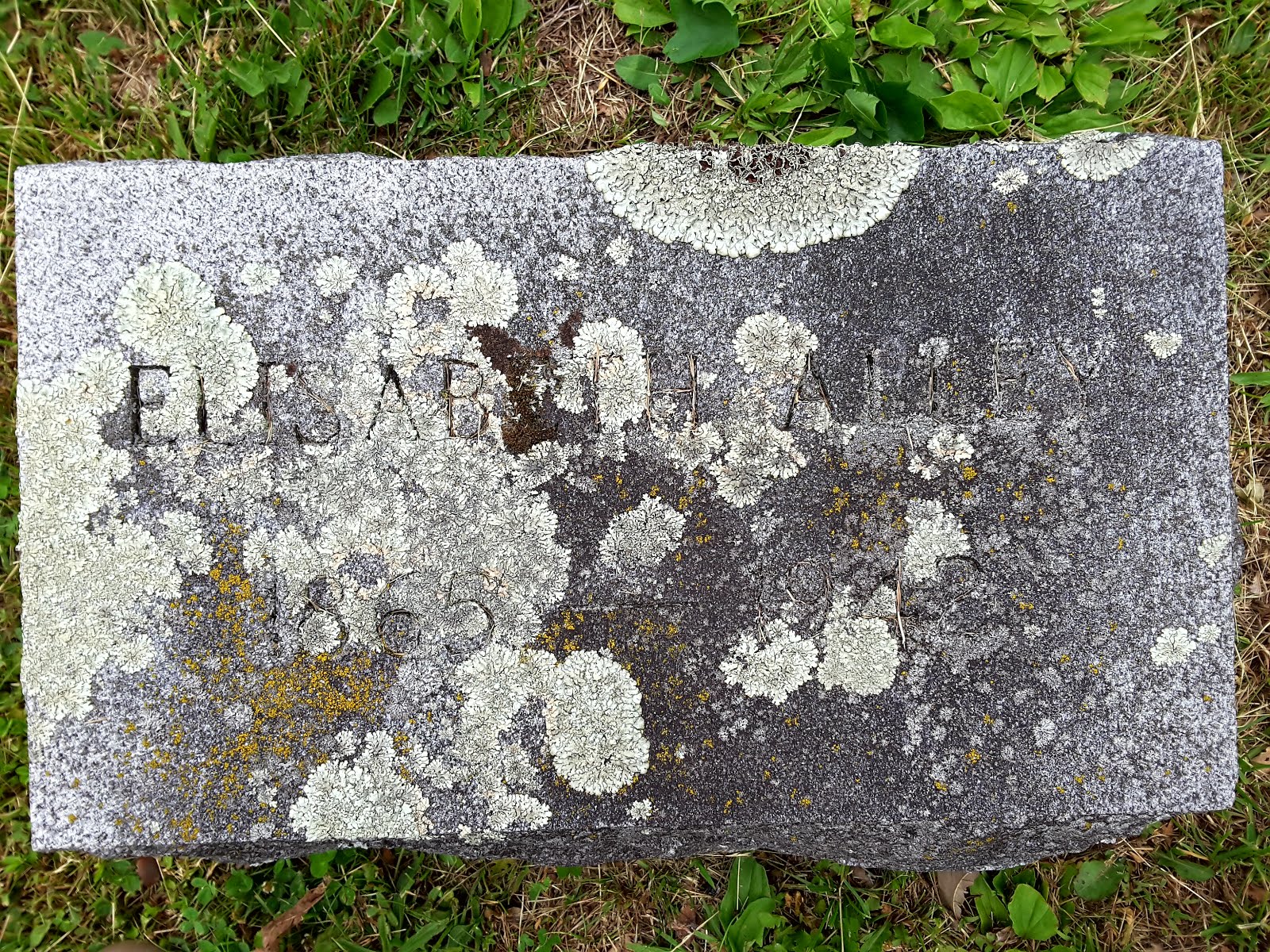
Lichens on a gravestone at Cortland Rural Cemetery.
Photo by PBM. Used with permission.

Not all fungi and algae/cyanobacteria are well-suited for the lichen life. For fungi which thrive in a lichen relationship, the process of selecting a worthy photobiont is a ruthless one.

A fungi will try to form a partnership with any nearby algae/cyanobacteria. As the partnership is forming, the fungi try to kill off the algae/cyanobacteria. Any algae/cyanobacteria that survives the attempted slaughter is deemed a suitable partner by the fungi and the two will form a lichen together.

What do Lichens Look Like?

Internal Structure

In primitive lichens, the cells of the mycobionts and photobionts are thrown together in a miscellaneous mishmash, but more advanced lichens have distinct layers with specific functions.

Lichen diagram by blog author.
External Appearance

Lichens are strange hybrids which look like neither fungi nor algae/cyanobacteria. There are three main types of lichen: 

fruticose lichens, 
Fruticose lichen photo by Jason Hollinger. A creative commons image.
Source.

foliose lichens, 
Foliose lichen photo by Norbert Nagel. A creative commons image.
Source.

and crustose lichens.

Crustose lichen photo by Roger Griffith. A creative commons image.
Source.
Then, there are countless variations on these basic types.

The physical characteristics of lichens are influenced by lichen acids, byproducts of lichen metabolism. These acids often give a lichen its characteristic color.

Lichens in the sun look almost completely different than lichens on a rainy day. Why? Lichens shrivel up and hibernate when the air is dry to reduce water loss, they open up again to soak up water when the air is moist. Wet days are the best days to observe lichens in all their glory.

Pollution

Lichens absorb water indiscriminately without filtering it. This means they also absorb all the pollutants in the water. Often these poisonous pollutants are too much for the poor lichens to handle, which is why there aren’t many lichens in large cities. The lichens that survive intense pollution tend to be small since their already slow growth is stunted by pollution.
 
Lichen on a NYC street tree. Photo by blog author.
Lichen Reproduction

Some of the lichens I noticed on my hike were covered in dark dots. These dots are a common type of spore-producing growth called disc-shaped apothecia produced by the fungal partner of the lichen for sexual reproduction. Lichens produce spores all year round, and like lichens themselves, the spore production sites are mainly active when wet.
Lichens in the Palisades with spore-producing growths.
Photo by PBM. Used with permission.

The odd thing about lichens is since they are a combination of two organisms, only the fungal part of the lichen can reproduce sexually. The spores the fungi release may grow as a pure fungus, they may die, or they may find a photobiont partner and become lichens, possibly a different type of lichen then their parent.

Lichens also reproduce asexually when small pieces of the mother organism break off and are carried away animals, wind, or water to a new home. To speed along asexual reproduction, lichens produce isidia—small outgrowths which break off easily—and soredia—powdery granules of a few cells which can blow and float to a new location.

Lichen Longevity

Once a lichen does set up shop, it can live for thousands of years. Lichens grow incredibly slowly, so it is a good thing that they can live so long. One lichen in northern Sweden is thought to be over 9,000 years old!

Lichens on a gravestone at Cortland Rural Cemetery.
Photo by PBM. Used with permission.
Now that I’ve learned some lichen basics I hope to start identifying the species of lichens I see. If you know what species any of the lichens in the photos from this post are, please let me know in the comments!


Wednesday, November 30, 2016

Invasive Species: Friends or Foes?

We’ve all heard horror stories about invasive species, but are introduced plants and animals really as bad as the media paints them?

News headlines on invasive species. Image by author. Sources for headlines.
The answer to this question depends on exactly which invasive species we are referring to.

The brown tree snake (Boiga irregularis) is an example of a truly harmful invasive species. 
Brown tree snake. Public domain image. Source.

The brown tree snake arrived on the small Pacific Island of Guam in the late 1940s or early 1950s as a stowaway on military cargo, and has since eaten most of Guam’s birds, lizards, and small mammals. Guam’s fauna never experienced predation by a large snake before, and they are suffering horribly under the reign of the invasive brown tree snake.

In addition to eating Guam’s native species, the brown tree snake causes frequent power outages. How can a snake cause power outages? By climbing pylons and shorting out the power circuits! Climbing pylons is a dangerous hobby as it kills the snake, inconveniences Guam’s citizens, and costs power companies too much money in repairs.

Brown tree snake on top of a fence post. Creative commons image. Source.
The brown tree snake also costs the US military stationed on Guam millions of dollars each year in safety measures to prevent this pesky predator from escaping to another island. So far, this money is well spent as the brown tree snake has not escaped Guam.

The only good thing about the brown tree snake is that it eats Guam’s rats.

But what about another invasive species, garlic mustard (Alliaria petiolata)? I remember when garlic mustard was one of the most hated plants in NYC. Garlic mustard grew in dense monocultures and drove out other plants. Every time I went on a walk I would see huge piles of garlic mustard the parks department ripped out of the soil in an attempt to eradicate this species. Now, I rarely see piles of dead garlic mustard. Instead, I see garlic mustard growing alongside other plants along the park paths. What caused this change?
Garlic mustard. Creative commons image. Source.

 Garlic mustard was deliberately introduced to the United States in 1868 on Long Island for its ability to control erosion and its medicinal properties. While garlic mustard may look innocent and charming with its little white flowers, this plant had serious issues with poisoning its neighbors. 

Sinigrin, the toxic chemical garlic mustard emits, kills nearby plants and mycorrhizal fungi. Mycorrhizal fungi are a type of fungi which colonize the roots of plants and help their plant partners absorb more water and nutrients. Without their mycorrhizal fungi, the lives of plants living near garlic mustard were jeopardized, which allowed garlic mustard to push these plants out. Soon garlic mustard was dominating the forest floor.

Now, garlic mustard has been living in the United States for a long time and it is learning to be a kinder neighbor. U.S. garlic mustard doesn’t emit as much sinigrin as it used to, and the plant can grow next to other species without killing them.

Garlic mustard flowers. Creative commons image. Source.
Why is this?

High levels of sinigrin release, seen when garlic mustard first was colonizing the states, is most beneficial for garlic mustard when the plant is mainly competing with other species. However, when garlic mustard is well established, it mainly competes with itself, which means low levels of sinigrin release are preferable. Low levels of sinigrin emission are currently so favorable for the U.S. garlic mustard population that the genetics of this population changed to make low levels sinigrin release widespread and innate.

Now that garlic mustard has had a chance to settle into its new home, it’s not acting particularly dangerous and invasive anymore, is it?

Purple loosestrife (Lythrum salicaria) and Canadian pondweed (Elodea canadensis) are two other introduced species, like garlic mustard, accused of forming monocultures and driving out native species. After forming dense stands during the first few years of introduction, purple loosestrife and Canadian pondweed populations both declined significantly, like garlic mustard did, and they now live peacefully next to native plants. Non-native species may need a few years to acclimate to their new homes. We may be accusing them of wrongdoing too quickly.

The purple haze in the background of this photo is purple loosestrife.
Photo by PBM. Used with permission.

Admittedly, garlic mustard, purple loosestrife, and Canadian pondweed are not the worst invasive species. These plants don’t hold a candle to the brown tree snake. Are the more wickedly painted invaders, like zebra mussels (Dreissena polymorpha) or tamarisk (Tamarix sp.), ever falsely accused?

News headline on invasive species. Image by author. Sources for headlines.

Yes, non-native species are often blamed for problems we humans caused simply because they are found near where the damage occurred. 


Illustration of a zebra mussel. A public domain image. Source.
Zebra mussels are incriminated for clogging pipes, covering every hard surface underwater, and eliminating endangered freshwater mollusks. The fact is, freshwater mollusks were on the decline long before zebra mussels ever arrived because of habitat degradation and pollution caused by humans. Zebra mussels do compete with these mollusks for food, but it is wrong to blame them for endangering the mollusks. 

Zebra mussels. Creative commons image. Source.
Zebra mussels do cover a large amount of hard surface area underwater, but while doing so, they filter polluted water. As a result of the zebra mussels’ filtering job, the water is clearer, which promotes the growth of aquatic plants. These plants provide cover for fish and invertebrates and help increase their populations. The fish then feed on the zebra mussels and help clear some of the hard surfaces they live on. Zebra mussels also serve as a major food source for waterfowl. 

Yes, zebra mussels may inconvenience water companies by clogging their pipes, but they aren’t the evil species the media makes them out to be.

Zebra mussels on water meter. Public domain image by NOAA. Source.

Tamarisk has a similar story. This small tree is blamed for being a water hog and for destroying native bird habitat. Actually, humans were the ones using all the water. Tamarisk use about the same amount of water as native plants. In addition, tamarisk provides habitat for native birds. This plant isn’t quite as bad as the headlines make it seem.
Tamarisk flowers. Creative commons image. Source.

The whole idea that introduced species must be harmful is a xenophobic attitude. Once a non-native species takes root, it is next to impossible to eradicate. Introduced species are not going away anytime soon either, as international trade and travel just make it easier for species to globe trot. It’s time to accept the innocent immigrants species and the benefits they can offer our ecosystem.

Thursday, September 29, 2016

Cemetery Series: The Cemetery Habitat

Cortland Rural Cemetery. Photo Credit to PBM.
Cemeteries are not just for the dead, but for the living. In fact, graveyards serve as safe havens for rare plants and animals. Tombstones in Britain are the only home of some species of endangered lichens. The Calvary Cemetery in north St. Louis, Missouri contains the last original prairie grasses in the area and is one of the few spaces where ground-nesting bees survive. The Weißensee Jewish Cemetery in Berlin is home to 608 species of wildlife including an arthropod (Agonum gracilipes) which was thought to be extinct. It’s not extinct! That little invertebrate has been living in a graveyard in the middle of Berlin.
The Trinity Church Cemetery. Photo by author.
Cemeteries are often the only fragments of natural habitat left in cities or areas dominated by agriculture. This makes graveyards vital to the survival of many species.
Author's own image.

The Trinity Church Cemetery. Photo by author.
Wildlife thrives in un-manicured cemeteries and in cemeteries with tombstones placed close together. At the Weißensee Jewish Cemetery mentioned above – the place that surprised scientists with the arthropod – most species are found in areas left to grow naturally. Closely-crammed tombstones provide hiding places for animals like foxes and coyotes. Tight spaces between grave monuments also makes it harder to remove sprouting plants, allowing them to grow and prosper.

Kings Chapel Burying Ground. Photo by Author.
Author's own image.
The flora and fauna in cemeteries provide data on many topics like conservation biology, species diversity, and climate change. Managers at some cemeteries embrace the wildlife found among the gravestones and host birdwatching programs or guided hikes through their land. One great example is the Cortland Rural Cemetery in Cortland, New York that offers a self-guided tour on the cemetery featuring the trees and lichen growing there.


Cortland Rural Cemetery. Photo Credit to PBM.

To learn more about cemeteries and science check out my previous posts: Cemetery Geology and Death and the Environment.

The Trinity Church Cemetery. Photo by author.
Sources.

Tuesday, September 22, 2015

Arachnids: The Recluse Spiders

Insects are everywhere. I try not to dwell on the idea that insects are crawling on everything all the time, but entomologists seem to love the fact that there are of multitudes of insects everywhere we go. That's probably why I'm not a entomologist. Still, insects are a vital part of life, and I am interested in learning more about them.

Mediterranean recluse. Photo by Antonio Serrano
This past week I attended The New York Entomological Society’s meeting on arachnids. Biologist James Beck came up from Louisiana to The American Museum of Natural History in NYC to talk about a specific genus of arachnids the Loxosceles, commonly known as recluse spiders. James Beck studies the ranges of two species of recluse, the native brown recluse (Loxosceles reclusa) and the invasive Mediterranean recluse (Loxosceles rufescens).

Recluses aren’t rare, but the public knows very little about these spiders except the fact that they are venomous. At the lecture I learned that people, even doctors treating spider bites, tend to think every spider that isn’t a widow is a recluse. James Beck told us that misidentification of recluses went so far in a nationwide survey conducted in 2005 that people asked to send in specimens of brown recluse didn’t send in a single one. The public did send many other spider species, and even a scorpion, but no brown recluses.

I’ll admit that I would probably not be able to tell the difference between a brown recluse and a Mediterranean recluse if I saw either one. I don’t think I would mistake a scorpion for a spider like someone in the study did, but identifying Loxosceles is not an easy feat, as James Beck explained. Brown recluse and Mediterranean recluse can be distinguished by their tibial segments (a part of the leg) and mouthparts, both of which require magnification to see. Different recluse species don’t like to live side by side, so if a Mediterranean recluse is identified, there shouldn’t be any brown recluse around.

Knowing the difference between the two types of recluse might be tricky, but identifying the general genus Loxosceles isn’t as hard. Loxosceles are terrestrial spiders that like to live in places like crowded sheds and basements.


Brown Recluse Photo by Rosa Pineda
Don’t worry about finding a recluse if you don’t want to. They are named “recluse” for a reason, and Loxosceles are timid spiders. They rarely bite unless provoked and aren’t at all interested in harming humans. Spiders get a bad rap for being venomous and aggressive, but in reality they are helpful creatures that kill pests like cockroaches. To avoid being bitten, if you see a spider on you, don’t smack it, gently put it down. Try to bring out that bug loving entomologist we all have within us and both you and the spider will come out happier.
 photo of a live brown recluse from the lecture

Tuesday, July 7, 2015

Mining Part Two


The mine is now filled with water
Not all iron mines were underground like Soudan was. After touring Soudan, my family and I went to Mineview in the Sky, a overlook of what used to be a surface mine in the Mesabi area. In a surface mine, all the mining is done on the surface, without digging mining shafts into the earth.


The iron mined in Mesabi is in a soft type of ore called taconite. Taconite is not nearly as good as the ore at Soudan, and has only a 29% iron content. The iron part of taconite is concentrated into pellets before it's shipped from Duluth and across the Great Lakes to factories.

Taconite is still mined today, and the Mineview in the Sky will be dug up soon to mine more iron.


Me on the huge mining equipment 

Friday, June 19, 2015

Fish!

Most of the time, scientific facilities are locked up and difficult to get in to. I was surprised to find this was not the case at the Jordan River National Fish Hatchery near Elmira, Michigan. Anyone could just walk around and check out what was going on.

One of the buildings
My family and I decided to visit the fish hatchery on the spur of the moment as we were driving by. We saw a sign that said “Visitors Welcome” so we turned around and drove right in. You can’t go wrong with fish, right?

This fish hatchery breeds different varieties of trout to replenish fish populations in the Great Lakes. They produce about three million lake trout annually. That’s a lot of fish.

Close up.
Some fish hatcheries grow their own eggs, but this one doesn’t. It used to, but the water from the springs near Elmira (which produce 5,000 gallons of water per minute) is too warm to grow eggs successfully. Instead they ship in eggs from a broodstock facility in Wyoming through FedEx. A worker told us that during the first few weeks of development fish eggs are very delicate, and moving them could be damaging. But after a while, the eggs get tougher, and if they’re securely packed up in wet paper towels, shipping them is just fine.


The Jordan River National Fish Hatchery has three buildings for raising trout at their different stages of development. The tank room is where the eggs are hatched and the fry are raised until they reach fingerling stage. The tanks have a current in them, so all the fry face the same direction. 

After the fingerlings are big enough they’re moved to a bigger building with 80ft long raceways for the fish to swim in. 


Pretty road near the fish hatchery.

Once they reach yearling stage, the trout are moved to the final building, and then once the trout are deemed big and healthy enough, they are taken 40-60 miles out into Lake Michigan and released into the wild. Just thinking about a lake that is so big you can be on the water 60 miles away from shore blows my mind.


The nice thing about The Jordan River National Fish Hatchery is that visitors can walk around all the rooms freely. The visitor’s center, with a bathroom and hot water for tea, is open 24/7. The staff are friendly and informative. Overall I give the place a five star rating.

Lake Michigan is also nearby

Right by The Jordan River National Fish Hatchery is a scenic road that goes right by the Jordan River. It is so beautiful I seriously thought I was in fairy land.